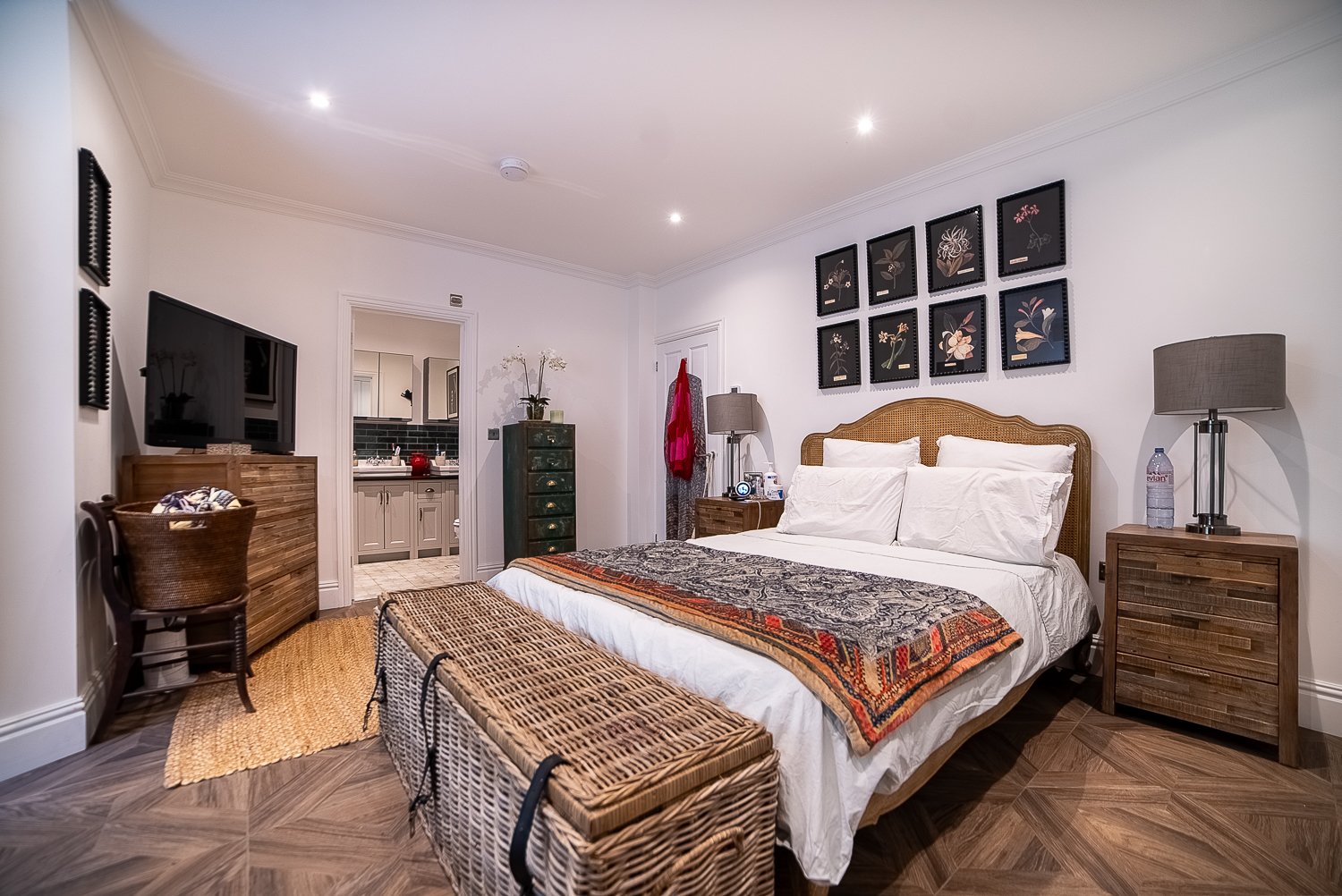
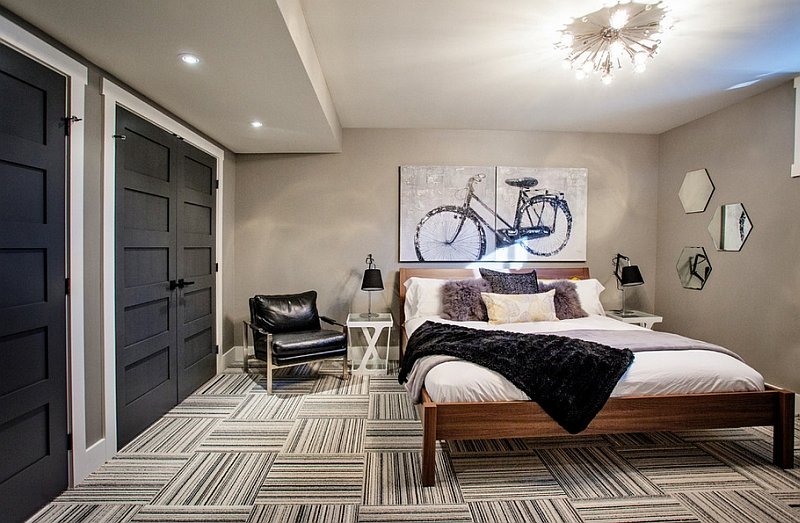
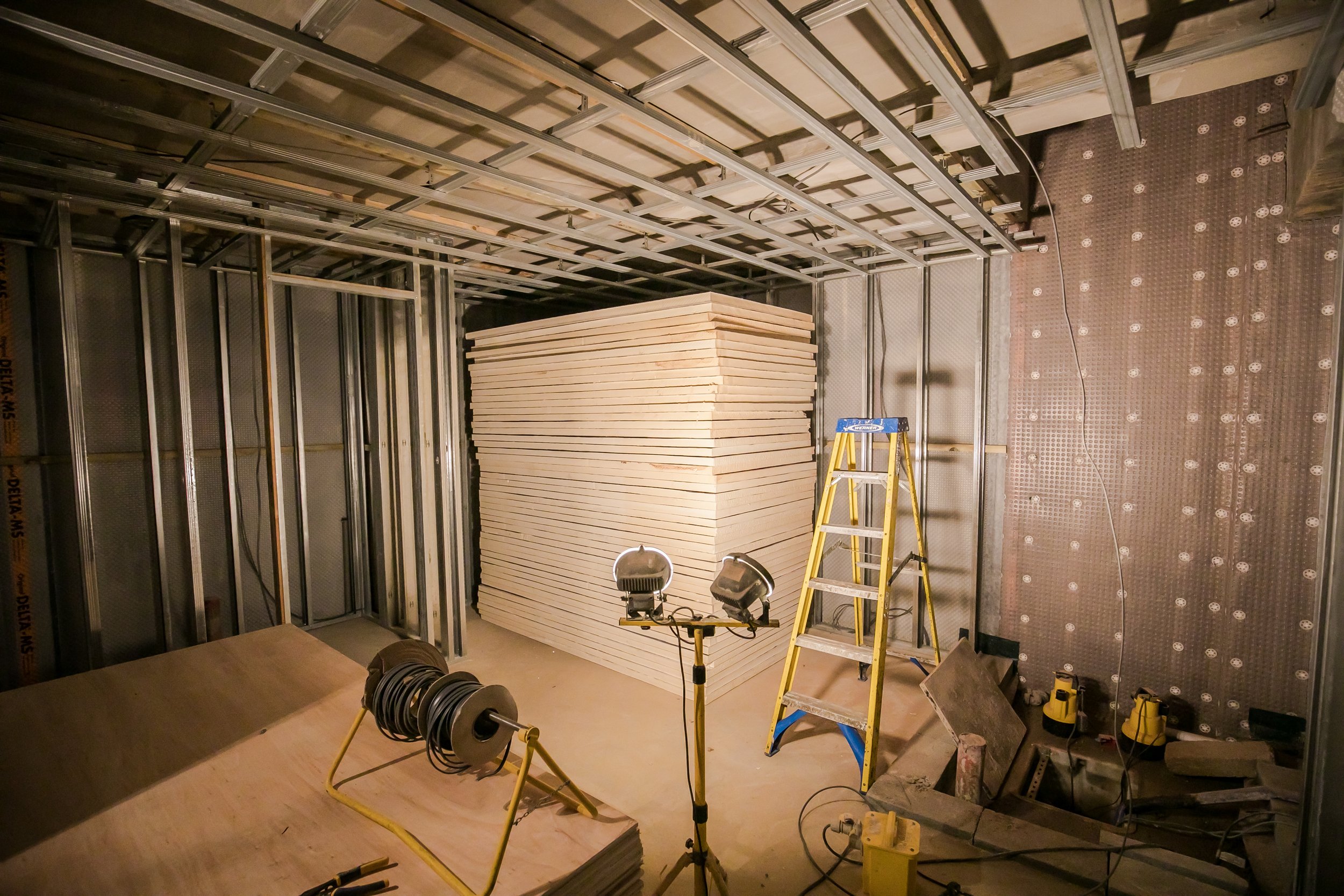
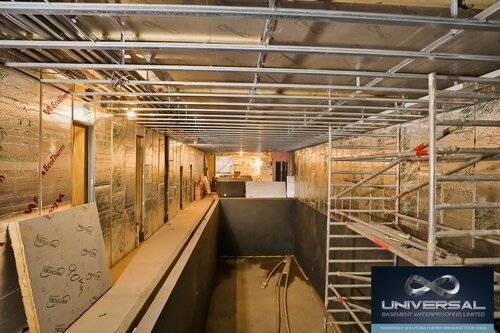
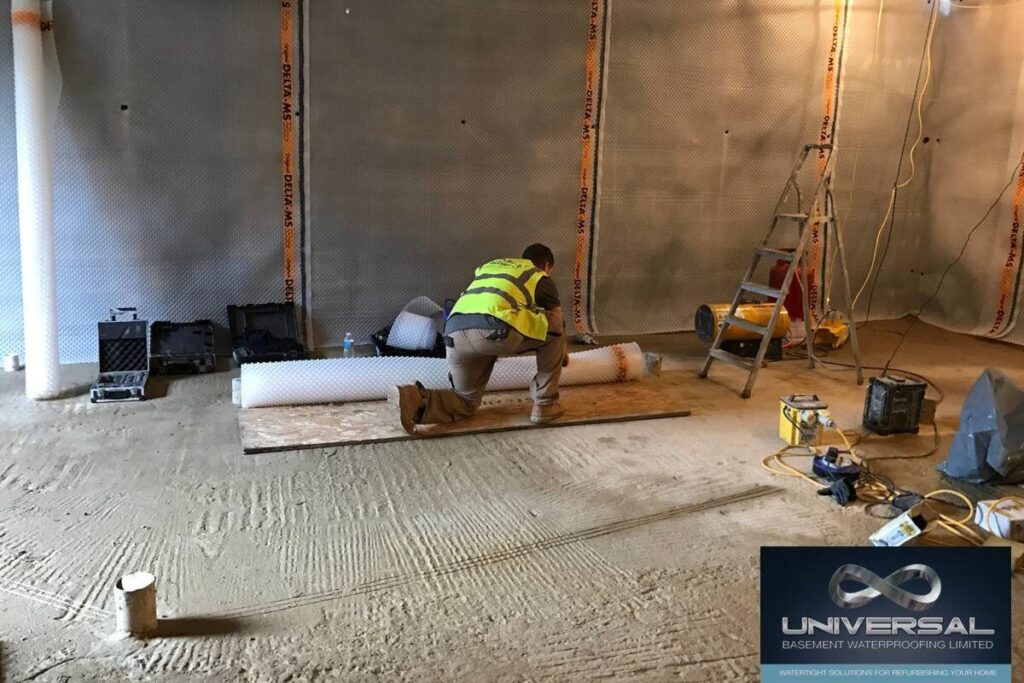
The cost of basement construction depends on several factors, including the size of the basement, the ground conditions, the intended use of the space, and the waterproofing system required. Every project is unique, so we recommend arranging a professional survey, where one of our experienced surveyors can assess your property and provide a detailed, no-obligation quotation tailored to your requirements.
Request a call
Basement Waterproofing Clapham
Basement Waterproofing in Clapham – Engineered Systems for Terrace Housing & Clay Soil Conditions
Basement waterproofing in Clapham requires engineered design to manage London clay, high groundwater pressure, and lateral moisture transfer between Victorian terraced properties.
We provide specialist basement waterproofing in Clapham (SW4), delivering fully designed structural systems across Clapham Common, Clapham Old Town, Battersea borders, and Balham.
Most basement issues in Clapham are not surface-level damp problems — they are caused by structural moisture movement through shared walls and ground pressure acting on below-ground masonry.
✔ Free technical survey
✔ Fixed-price quotation
✔ BS8102:2022 compliant systems
✔ Long-term guaranteed waterproofing
👉 Book your free Clapham basement survey
Recent Clapham Basement Waterproofing Case Study
We recently completed a full structural waterproofing project for a Victorian Clapham terraced property suffering from persistent damp, lateral party wall moisture transfer, and groundwater pressure failure.
- Type C cavity drain membrane system
- Dual sump pump redundancy
- BS8102 Grade 3 habitable compliance
- Permanent structural moisture and groundwater control
👉 View our Clapham basement waterproofing case study
Why Basement Waterproofing is Critical in Clapham
Clapham sits on heavy London clay with dense Victorian terrace housing, creating one of the most challenging basement environments in South London.
Key risk factors in Clapham:
- London clay soil increasing hydrostatic pressure beneath properties
- Victorian terraces with shared party wall moisture transfer
- Shallow basement excavations with limited external drainage
- Rear extensions and lightwells exposed to seasonal water ingress
- Groundwater fluctuations across SW4 and surrounding zones
These conditions commonly result in persistent damp, recurring leaks, and long-term deterioration if systems are not correctly designed.
Why Basement Waterproofing Systems Fail in Clapham
Most failures in Clapham are caused by incorrect waterproofing strategy rather than material failure.
- Using barrier tanking systems in high-pressure clay environments
- No provision for lateral moisture transfer through party walls
- Insufficient drainage or sump pump capacity
- Lack of redundancy in below-ground pumping systems
- Ignoring structural movement in terraced housing
Water will always follow the path of least resistance — the system must be designed to control it safely.
Basement Waterproofing Design in Clapham
Every Clapham basement requires a tailored structural design based on soil behaviour, groundwater pressure, and party wall conditions.
- Groundwater pressure and seasonal variation
- Clay soil movement and lateral stress loading
- Party wall moisture transfer between adjoining properties
- Structural condition of retaining walls and slab junctions
- Intended use: storage, habitable space, or conversion
In most Clapham properties, Type C cavity drain membrane systems are specified due to their ability to manage both groundwater ingress and lateral moisture movement.
Understanding Waterproofing Systems
Type A Waterproofing (Barrier Systems)
Type A systems attempt to block water using internal coatings or tanking membranes.
- Suitable only for low-risk or stable environments
- Dependent on fully stable masonry conditions
- Vulnerable to failure under clay soil movement
Type C Waterproofing (Cavity Drain Systems)
Type C systems are the most reliable solution for Clapham basements due to structural and soil conditions.
- Internal membrane system installed to walls and floors
- Manages water through controlled drainage pathways
- Sump pump systems remove collected water safely
- Includes backup pumping for redundancy
This system is designed specifically for environments with continuous groundwater pressure and structural movement.
BS8102:2022 Compliance
All basement waterproofing must comply with BS8102:2022 – Protection of Below Ground Structures Against Water Ingress.
This standard requires systems to be designed with redundancy to ensure no single point of failure compromises the basement.
- Grade 1: Basic utility use
- Grade 2: Storage / low moisture tolerance
- Grade 3: Habitable living space
Most Clapham basement conversions require Grade 3 waterproofing protection.
Our Basement Waterproofing Services in Clapham
- Full basement waterproofing design & installation
- Cellar waterproofing systems
- Structural waterproofing engineering
- Basement conversions & refurbishments
- Replacement of failed waterproofing systems
- Sump pump installation & maintenance
All systems are installed from the structural substrate to ensure long-term performance.
Common Basement Problems We Fix in Clapham
- Water ingress through retaining walls and floor junctions
- Lateral moisture transfer through party walls
- Rising damp and salt contamination
- Failed tanking systems
- Flooding during heavy rainfall
Basement Waterproofing Cost in Clapham
Costs depend on structural condition and system design requirements:
- Typical range: £80 – £150 per m²
- Small basements: from £10,000+
- Full conversions: £50,000 – £1M+
Project Delivery Process
- Full basement survey and moisture analysis
- Party wall and groundwater assessment
- BS8102-compliant system design
- Installation of membrane and drainage systems
- Sump pump installation and commissioning
- Optional refurbishment works
Why Choose Us for Basement Waterproofing in Clapham
- Specialist structural waterproofing contractors
- Deep experience with South London terrace housing
- Engineered BS8102 compliant systems
- Design + installation + refurbishment delivery
- Long-term guaranteed protection
Book Your Free Clapham Basement Survey
If your basement is showing signs of damp or water ingress, early diagnosis is essential to prevent structural deterioration.
Book Your Basement Survey Now
One of our waterproofing specialists will inspect your basement, discuss the most suitable waterproofing system and provide expert recommendations with no obligation.
Case Studies
Ready to Transform Your Basement?
Whether you’re planning a new basement or need to stop persistent damp and water ingress, our experienced surveyors can recommend the right waterproofing solution.
✔ Professional Survey
✔ Fully Guaranteed Work
✔ 50+ Years Experience
Frequently Asked Questions
In many cases, basement waterproofing alone does not require planning permission. However, basement construction, excavation, or significant structural alterations may require planning approval and Building Regulations compliance, particularly in certain London boroughs or conservation areas. We can advise you during your survey and help you understand any permissions your project may require.
The duration of a basement waterproofing project depends on the size and complexity of the work. Smaller waterproofing installations can often be completed within a few days, while larger basement construction or full structural waterproofing projects may take several weeks. Following your survey, we’ll provide a clear project schedule so you know exactly what to expect.
There is no single waterproofing system that is suitable for every property. The most effective solution depends on factors such as the construction of the building, ground conditions, water ingress risk, and how you intend to use the basement. Our experienced surveyors will assess your property and recommend the most appropriate BS8102-compliant waterproofing system, whether that’s a Type A (barrier protection), Type C (cavity drain membrane), or a combined system for maximum protection. We only install proven products from leading manufacturers, including Delta, KÖSTER, and Sika.
Yes. We install high-quality waterproofing systems from leading manufacturers such as Delta, KÖSTER, and Sika, following BS8102 standards for below-ground waterproofing. Our waterproofing systems are fully guaranteed, giving you confidence that your basement will remain dry and protected for years to come. We’ll explain the guarantees available during your survey.
We provide basement construction and structural waterproofing services throughout London, Kent, Surrey, Essex, Sussex, and the surrounding areas. If you’re unsure whether we cover your location, simply get in touch and our team will be happy to help.
Yes. We regularly waterproof existing basements, cellars, and vaults, whether they’re affected by damp, water ingress, or you’re planning to convert the space into a dry, usable room. Every property is different, so we carry out a professional survey to identify the cause of the problem before recommending the most suitable waterproofing solution. Our systems are designed to provide long-term protection while complying with BS8102 standards for below-ground structures.
With over 50 years of experience, Universal Basement Waterproofing has designed and installed waterproofing systems for properties across London and the South East. Our experienced surveyors design BS8102-compliant waterproofing solutions using trusted systems from Delta, KÖSTER, and Sika. From initial survey through to installation, we focus on delivering long-lasting, fully guaranteed waterproofing solutions tailored to every property.
We aim to arrange surveys as quickly as possible, subject to availability. During your survey, one of our experienced waterproofing specialists will assess your basement, discuss your requirements, identify any issues with damp or water ingress, and recommend the most suitable waterproofing solution. You’ll then receive a detailed, no-obligation quotation for the work required.